2024 Last-mile delivery predictions
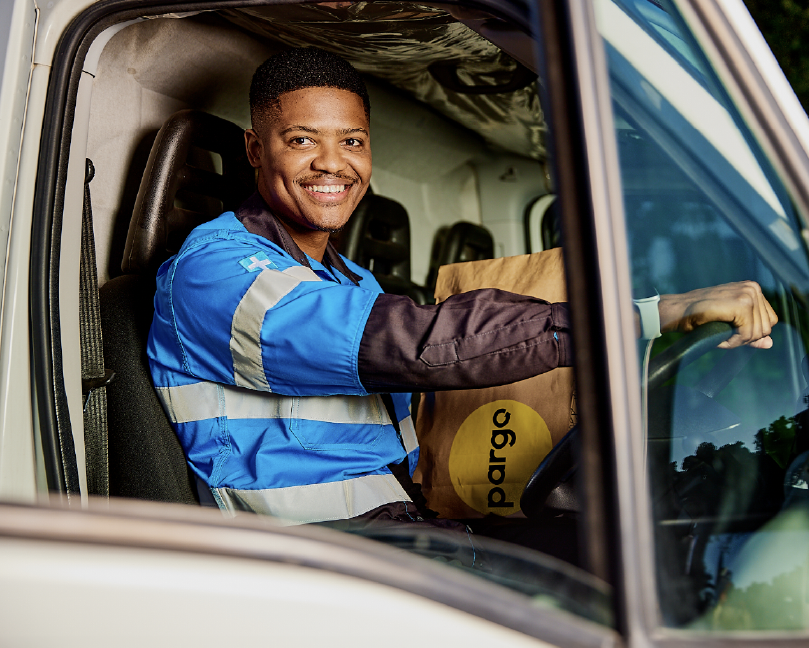
Research by Naspers and Prosus has revealed that global demand for last-mile delivery is set to increase by a substantial 78% by 2030. As technology advances with the AI revolution and consumer expectations rise, retailers need to make sure that their logistics partners are geared up to meet last-mile delivery demands and challenges head-on.
Some of the innovations to look out for in 2024 include:
- Out-of-home delivery will remain popular
The more out-of-home locations retailers offer consumers, and the more convenient those locations the bigger the adoption rate will be. With many consumers back at the office full time since COVID-19 they need a delivery solution that offers flexible delivery windows that go beyond the 9-5. Giving consumers control over parcel pick-up locations, offering easy returns at convenient locations will improve the overall satisfaction and retention of shoppers.
- Speed
The rising demand for quicker deliveries from consumers has led e-commerce giants to prioritise logistics services. In Africa, as in other regions, customers now anticipate faster delivery times, having previously waited an average of 5-6 days for e-commerce orders. A significant 55% of shoppers express a willingness to switch retailers for speedier deliveries. The data underscores a clear trend towards ultrafast delivery in 2024 within the e-commerce industry, with brands not offering this service risking sales loss to competitors. Pargo boasts an average delivery turnaround time of 1.25 Days. Meeting consumer expectations for prompt and dependable deliveries necessitates logistics companies to uphold an extensive network of delivery personnel and routes.
- Sustainability
The last-mile delivery sector is poised for a significant green revolution in response to escalating climate change concerns. A major shift anticipated is the increased adoption of Electric Vehicles (EVs) in fleets, reflecting companies’ recognition of the necessity to reduce their carbon footprint and invest in eco-friendly transportation. This transformation extends to a focus on sustainable packaging and more efficient fleet management practices, aligning the last mile with broader environmental objectives. To address carbon emissions and comply with green standards, last-mile delivery companies must intensify efforts, with route optimisation—reducing time on the road, fuel consumption, and emissions—emerging as a key strategy. Achieving this necessitates the adoption of logistics technology enabling optimised route planning and real-time tracking.